


When metal components are exposed to moisture, chemicals, or changing temperatures, corrosion becomes a design concern rather than a cosmetic one. While “rust” is often used as a catch-all term, it actually applies only to iron and steel. Many other metals do not rust at all, yet still resist corrosion through different chemical and physical mechanisms. Understanding these differences is important when selecting materials for durability, maintenance, and long-term performance.
Rust & Corrosion Resistant Metal Options
Depending on the material, resistance may come from passive oxide layers, low chemical reactivity, or sacrificial behavior. These properties make such metals well suited for components like machine frames, bushings, fasteners, enclosures, fluid-handling parts, and equipment exposed to washdowns or corrosive environments. The following options represent commonly used base metals and alloys chosen for their inherent material properties rather than surface coatings.
#1 Stainless Steel
Stainless steel resists rust primarily due to its chromium content, which reacts with oxygen to form a thin, stable oxide layer that protects the underlying metal from further oxidation. Common grades such as 304 and 316 differ mainly in their alloying elements, with 316 offering improved resistance in chloride and marine environments due to added molybdenum. Stainless steel is widely used for fasteners, shafts, frames, housings, and process equipment where strength and corrosion resistance are both required. Its limitations include higher cost than carbon steel and susceptibility to pitting or crevice corrosion in certain aggressive environments.
#2 Aluminum
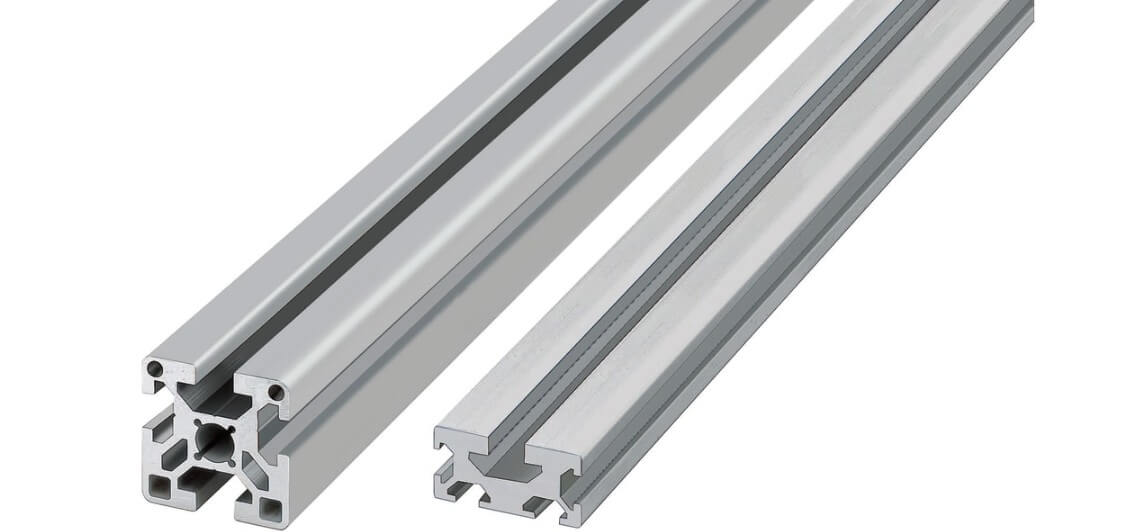
Aluminum resists corrosion through a naturally forming oxide layer that develops almost immediately when the metal is exposed to air, creating a barrier that limits further surface reaction. Common alloys such as 6061 and 5052 are widely used due to their balance of strength, machinability, and corrosion resistance. Aluminum performs well in dry, atmospheric, and many industrial environments, making it suitable for frames, panels, and enclosures. However, it can be vulnerable to galvanic corrosion when paired with dissimilar metals and may degrade in highly alkaline or chemically aggressive conditions.
#3 Copper and Copper Alloys
Copper and its alloys, including brass and bronze, do not rust and instead undergo surface oxidation that forms a stable patina over time. This patina acts as a protective layer, slowing further corrosion rather than causing material breakdown like iron oxide does in steel. Copper alloys are commonly used in bearings, bushings, electrical components, valves, and wear surfaces due to their corrosion resistance, thermal conductivity, and favorable friction characteristics. Material selection within this group depends on factors such as load, environment, and resistance to specific chemical exposures.
#4 Titanium
Titanium offers corrosion resistance due to the formation of a highly stable oxide film that remains intact even in harsh chemical and marine environments. In addition to its corrosion performance, titanium provides a high strength-to-weight ratio, making it suitable for applications where durability and reduced mass are important. It is commonly used in aerospace components, medical devices, heat exchangers, and chemical processing equipment. The primary limitations of titanium are its higher material cost and increased machining difficulty compared to more common metals.
#5 Nickel and Nickel-Based Alloys
Nickel stabilizes protective surface films and improves resistance to oxidation, acids, and alkaline solutions. Alloys such as Monel, Inconel, and Hastelloy are commonly selected for components exposed to high temperatures, corrosive fluids, or reactive gases. These materials are often used in chemical processing, heat exchangers, and energy applications, though their higher cost and machining difficulty can limit use to demanding conditions where their performance is necessary.
#6 Zinc and Zinc-Coated Metals
Zinc corrodes preferentially to shield the underlying material. This principle is applied in galvanized steel, where a zinc coating delays corrosion even if the surface is scratched or damaged. Zinc-based protection is widely used for fasteners, brackets, structural hardware, and outdoor components exposed to moisture. The service life of zinc coatings depends on thickness and environmental severity, with performance gradually declining as the zinc layer is consumed over time.

#7 Precious and Noble Metals
Precious and noble metals resist corrosion due to their very low chemical reactivity, which limits their tendency to oxidize or react with environmental contaminants. Metals such as gold and platinum remain largely unchanged even in harsh conditions, while silver resists corrosion but may form surface tarnish in the presence of sulfur compounds. Because of their stability, these metals are used where long-term reliability and conductivity are critical, including electrical contacts, sensors, and specialized laboratory equipment.
Parting Thoughts
MISUMI USA provides a broad selection of metal materials and components—both standard and configurable—including rods, plates, and blocks in various metals. If you’re unsure which material best fits your design requirements, our technical support team can assist. For more detailed resources, be sure to check out our other materials focused guides and engineering tables like: Galvanic Corrosion and Compatiblity Chart.
Browse MISUMI Metal ProductsAuthor: Scott Bredemann | Updated: 12/15/2025
Disclaimer:
The content on this webpage is for informational purposes only. MISUMI makes no guarantees, expressed or implied, regarding the accuracy, completeness, or validity of the information. Performance parameters, tolerances, designs, materials, or processes should not be assumed to reflect third-party suppliers’ or manufacturers’ deliverables within MISUMI’s network. Buyers are responsible for specifying their part requirements
