

Author: Scott Bredemann
Updated: 11/21/2025 | Read Time: 4mins
Whether you’re assembling machinery, adjusting a bike, or tightening furniture hardware, knowing how to handle a hex key the right way can save time and frustration. This guide breaks down seven quick, practical tips to help you get cleaner fits, better torque, and longer tool life—no fluff, just the essentials.
#1 Check the Fit Before You Apply Pressure
Before you put any force behind an Allen wrench, take a second to make sure it actually fits the screw. Even a small mismatch between metric and SAE sizes can feel “close enough,” but that tiny gap is what leads to rounded sockets and damaged keys. A properly sized wrench should slide in smoothly and feel snug with no wiggle. That quick check saves you from fighting a stripped fastener later.
#2 Seat the Wrench Fully in the Socket
A lot of stripped screws come from one simple mistake: not pushing the Allen wrench all the way into the socket. Hex screws have a deeper recess than people realize, and the wrench needs to bottom out to get full contact on all six sides. If you’re unsure, give the wrench a small twist or wiggle—if it shifts or feels loose, it’s not seated yet.
#3 Use the Long Arm for Gentle Breakaway Torque
When a screw feels tight at the start, the long arm of the Allen wrench gives you better leverage without having to muscle it. That extra length helps you ease the fastener loose with controlled pressure instead of a sudden jerk. Once the screw breaks free, you can flip the wrench and use the short arm for quicker turning.
#4 Add a Drop of Lubricant for Stubborn Screws
If a screw won’t budge, a tiny bit of lubricant can make a big difference. A drop of light oil, WD-40, or even something simple like dish soap can ease the friction between the threads. Let it sit for a moment so it can work its way in, then try the wrench again with steady pressure.
#5 Keep the Wrench Vertical to Avoid Cam-Out
When you start turning an Allen wrench, pay attention to the angle. If the wrench tilts even slightly, it shifts the pressure to one edge of the socket, which can cause the tool to slip out—something similar to cam-out in other screw types. Keeping the wrench straight helps distribute force evenly across all sides of the hex.
#6 Use a Ball-End Only for Angled Access – Not for High Torque
Ball-end Allen wrenches are great when you need to reach a fastener from an awkward angle, but they’re not meant for high-torque work. Because the contact point is smaller and rounded, they slip more easily if you try to break a tight screw loose. Use the ball-end to start or finish a fastener when access is the main issue, and switch to the straight end whenever you need real turning force.
#7 Break Tight Screws Loose with a Cheater Handle (Carefully)
For screws that feel locked in place, you can slip a short piece of pipe or even a closed-end wrench over the long arm of the Allen key to gain extra leverage. This gives you more turning force with less effort, but it also increases the risk of stripping the socket if the fit isn’t perfect. Use this trick only when other methods don’t work, and apply pressure slowly so you can feel what the screw is doing.
Parting Thoughts
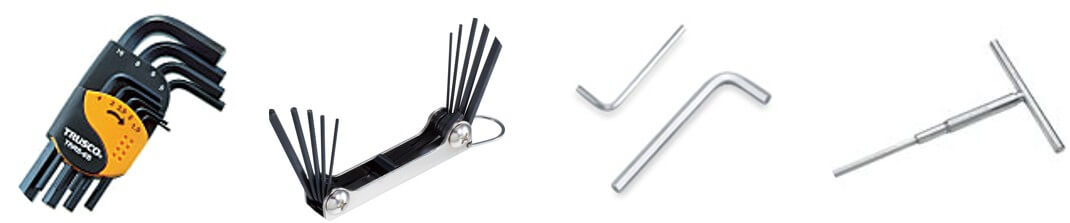
MISUMI USA carries a wide range of allen wrenches and hex keys, including – standard, ball point, t-shape, knife type, and more. If you have any questions about fastening concerns for your next project or fix, please feel free to contact our product experts, and engineers. For more insights about allen wrenches, and other manufacturing related articles be sure to check out our blog, and articles like – What is an Allen Wrench?, 7 Quick Facts About Allen Wrenches, Hex Key Chart, and more.
Disclaimer:
The content on this webpage is for informational purposes only. MISUMI makes no guarantees, expressed or implied, regarding the accuracy, completeness, or validity of the information. Performance parameters, tolerances, designs, materials, or processes should not be assumed to reflect third-party suppliers’ or manufacturers’ deliverables within MISUMI’s network. Buyers are responsible for specifying their part requirements