

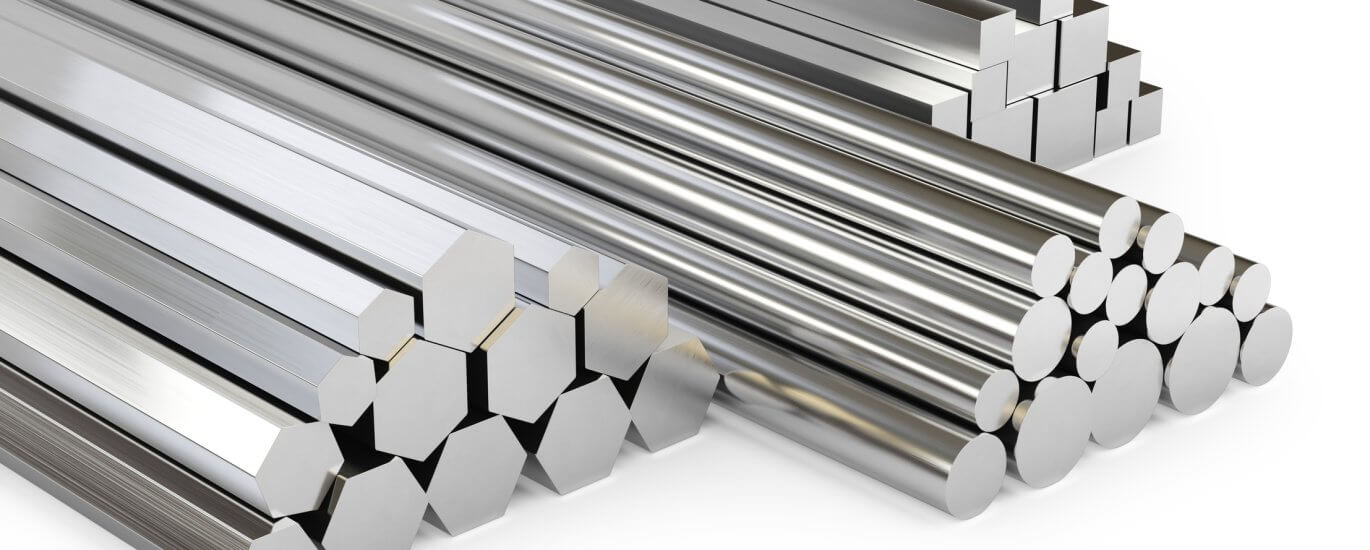
Author: Scott Bredemann
Updated: 04/19/2024
4140 alloy steel stands out for its exceptional strength, toughness, and adaptability within industrial applications. Whether you’re navigating the demanding world of automotive manufacturing or crafting high-performance machinery, this reliable material offers a winning combination of properties. This comprehensive guide dives deep into the world of 4140 steel, illuminating its key characteristics, ideal applications, and considerations for machinability and welding.
What is 4140 Alloy Steel?
4140 steel, also known as chrome-moly steel, is a type of low-alloy steel – it’s composed primarily of iron, carbon, and manganese, with key additions of chromium and molybdenum. These alloying elements significantly enhance the material’s properties compared to plain carbon steel. Chromium contributes to hardenability and corrosion resistance, while molybdenum improves overall strength and high-temperature performance.
How Is 4140 Alloy Steel Made?
The production of 4140 alloy steel begins with the meticulous selection of raw materials, combining high-quality iron ore with precise amounts of chromium, molybdenum, and carbon to achieve the desired alloy composition. In controlled furnace environments, typically maintained at temperatures ranging from 2,700 to 3,000 degrees Fahrenheit (1482 – 1649 degrees Celsius), the raw materials undergo melting, where temperatures are regulated to facilitate proper fusion and alloying. Following alloying, refining, and degassing steps ensure the removal of impurities and gases, enhancing the steel’s purity and quality.

4140 Steel Chemical Composition
| Element | Weight Percentage (%) |
| Carbon (C) | 0.38 – 0.43 |
| Manganese (Mn) | 0.75 – 1.00 |
| Chromium (Cr) | 0.80 – 1.10 |
| Molybdenum (Mo) | 0.15 – 0.25 |
| Silicon (Si) | 0.15 – 0.30 (Max) |
| Phosphorus (P) | 0.035 (Max) |
| Sulfur (S) | 0.040 (Max) |
| Iron (Fe) | Balance |
Applications of 4140 Alloy Steel
From automotive gears to aerospace components, 4140 alloy steel finds its way into a diverse array of industrial applications:
- Automotive: Engine components, transmission gears, and suspension parts benefit from 4140 steel’s strength and durability.
- Aerospace: Aircraft landing gear, structural components, and turbine shafts.
- Machinery: Tooling, shafts, and gears in heavy machinery and equipment.
- Tools and Industrial Supplies: Punches, dies, wrenches, and other tools requiring high strength and resistance to wear.

Comparison of 4140 Alloy Steel vs Other Steels
Taking a look at the properties of 4140 vs. 1045, 4130, and 4340 – here is how they compare:
| Property | 4140 Steel | 1045 Steel | 4130 Steel | 4340 Steel |
| Alloying Elements | Chromium, Molybdenum | Manganese | Chromium, Molybdenum | Chromium, Nickel, Molybdenum |
| Density (g/cm³) | 7.85 | 7.85 | 7.85 | 7.85 |
| Yield Strength (MPa) | 530-750 | 370-570 | 480-700 | 620-890 |
| Tensile Strength (MPa) | 690-900 | 520-750 | 700-930 | 830-1100 |
| Hardness (Brinell Hardness Number) | 200-350 | 170-250 | 220-320 | 280-400 |
| Machinability | Moderate | Good | Moderate | Moderate |
| Weldability | Fair (Requires precautions) | Good | Fair (Requires precautions) | Fair (Requires precautions) |
| Magnetism | Yes | Yes | Yes | Yes |
Key Properties of 4140 Steel
- Hardness: 4140 alloy steel boasts impressive hardness, making it suitable for applications requiring high durability and resistance to abrasion.
- Yield Strength: With a robust yield strength, 4140 steel can withstand heavy loads and stresses, ensuring reliable performance in demanding environments.
- Tensile Strength: Its superior tensile strength further reinforces its suitability for structural components and machinery parts subjected to extreme forces.
- Density: Despite its formidable strength, 4140 alloy steel maintains a favorable density, allowing for lightweight yet sturdy constructions.
Weldability and Machinability of 4140 Steel
4140 steel has limitations regarding weldability. Precautions like preheating and post-weld heat treatment are necessary to avoid cracking. For optimal results, consult a qualified welder when working with 4140 steel.
Machinability of 4140 steel requires specific tooling and techniques due to its strength. Sharp cutting tools and proper speeds help achieve clean cuts and minimize tool wear.
Advantages and Limitations of 4140 Alloy Steel
- Advantages: Superior strength, toughness, and wear resistance make 4140 alloy steel a preferred choice for demanding applications across various industries.
- Limitations: While highly versatile, 4140 steel may exhibit reduced weldability in certain circumstances, necessitating careful consideration of welding parameters and techniques.
Parting Thoughts
At MISUMI USA, we offer a comprehensive selection of 4140 alloy steel components, including configurable and custom parts, designed to meet your specific manufacturing needs. Our easy-to-use online tools allow you to quickly configure parts to your exact specifications, ensuring optimal performance and efficiency in every project. Explore our extensive range of steel products, including 18/10 steel, and 4140 steel products today and discover how MISUMI USA can support your manufacturing efforts with high-quality, customizable solutions.