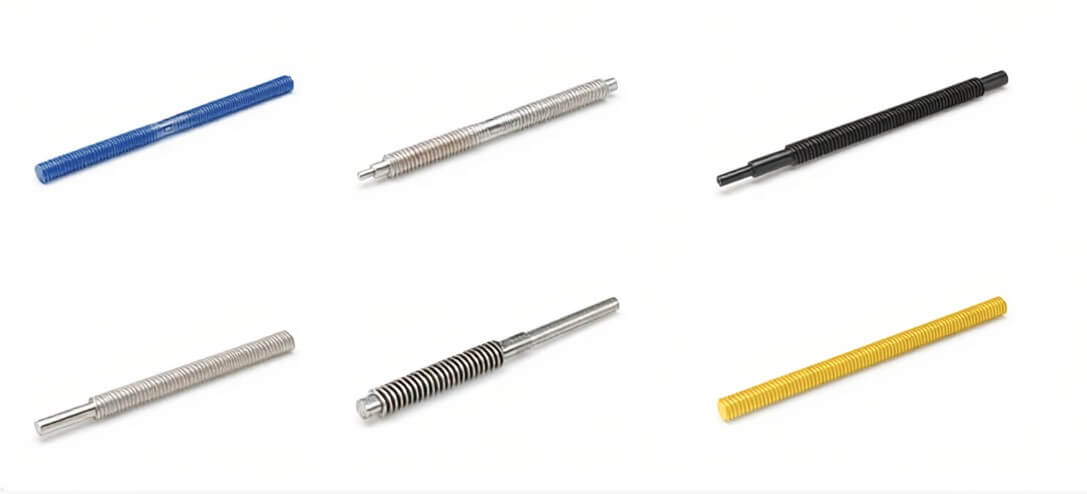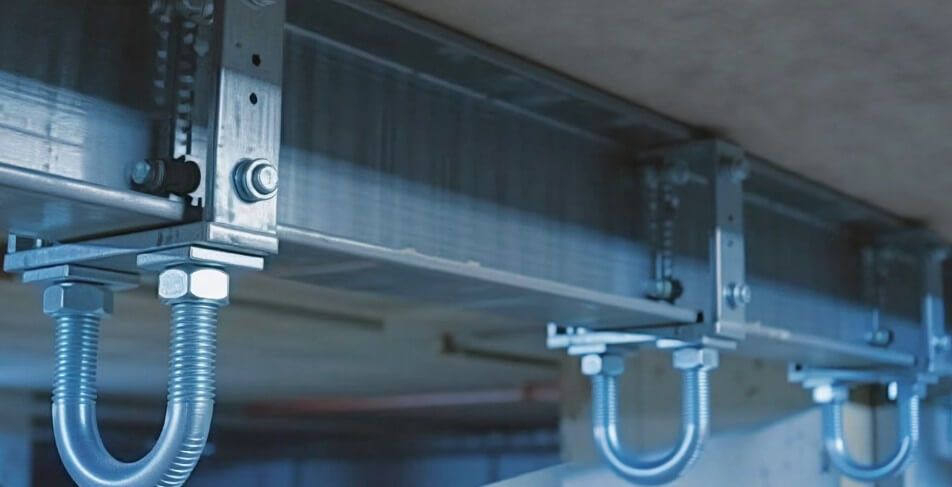
Zinc plating delivers a corrosion-resistant, long-lasting metal finish that offers a cost-effective solution compared to other part materials, especially for fasteners.
But if only zinc plating was that straightforward. There are four different types of zinc plating processes, multiple finishing options, and even alternatives. Let that “zinc” in!
This article dives into everything you need to know about zinc plating, so you can make the right choices when sourcing fasteners and other parts for your application.
What Is Zinc Plating?
Zinc plating is a surface treatment that involves an electrochemical process that adds a layer of zinc onto metal (often steel). The metal then takes on properties that the zinc has. Zinc plating is flexible as it can be applied at different thicknesses.
4 Main Benefits of Zinc Plating
Not only does it make metal parts corrosion resistant, but it can also extend the part’s lifecycle and is generally more cost effective to other materials, such as stainless steel.
But hold up! Keep in mind that not all types of zinc plating are created equal. Some may offer great corrosion resistance but have a higher risk of toxic exposure — more on this later.
1. Corrosion Resistance
Zinc creates a protective barrier by blocking moisture and oxygen from reaching the metal.
2. Extended Life
Zinc plating extends the life of steel parts by providing sacrificial corrosion protection with the zinc corroding first while keeping the underlying steel protected.
3. Cost Effective
Zinc-plated metal is cheaper than steel. It’s also easy to apply in high volume.
4. Versatile
Along with zinc plating being cost-effective, it’s suitable for a wide range of environments, appearances, and fastener applications.
Zinc Plating Finishes
There are two terms that tend to be used interchangeably: “passivation” and “chromate.” The benefits are the same: to create a protective layer. But it’s important to understand that the chemical processes of each are different and using them interchangeably may impact consistent quality.
Passivation
Passivation, often referred to as “trivalent chromate,” which is the process of applying a thin trivalent chrome coating over the zinc finish. This provides an added layer of protection.
Zinc Chromate
Zinc chromate, often referred to as “hexavalent chromate,” uses hexavalent chrome to create a thin layer above the zinc plating. This type of finish also creates an added layer of protection from corrosion.
Different Types of Zinc Plating
As mentioned earlier, there are different types of zinc plating. Not all options are the same — some offer stronger corrosion-resistant properties, while others are highly toxic and not RoHS-compliant.
1. Zinc Hexavalent Chromate Plating
Also known as “yellow zinc,” “zinc yellow chromate,” or “hex chrome,” this type of plating consists of a two-step system in which zing plating is applied to the base steel, and the hexavalent chromate conversion coating is formed on top of the zinc.
This process produces a yellowish color but can also appear green, iridescent, or clear.
This type is common because it’s historically known for its high corrosion resistant and low cost. However, it is heavily regulated and not RoHS-compliant due to its toxic properties.
2. Zinc Trivalent Chromate Plating
Also known as “zinc blue” or “RoHS zinc,” this type consists of electroplated zinc followed by trivalent chromium (Cr³⁺) conversion coating. Unlike yellow zinc, it’s RoHS-compliant and less toxic. But the process comes with a higher cost, and it’s not as corrosion resistant as yellow zinc.

3. Zinc Black Hexavalent Chromate Plating
More commonly known as “black zinc” or “black chromate,” this type has a hexavalent chromium (Cr⁶⁺) conversion coating. A small amount of silver nitrate is added to the chemical conversion treatment creates its black color.
Some applications require black zinc because of its superior corrosion performance.

4. Zinc Black Trivalent Chromate Plating
Also referred to as “trivalent black” but with a trivalent chromium (Cr³⁺) conversion coating. It is not as corrosion-resistant as hexavalent but is less toxic, which makes it RoHS-compliant.
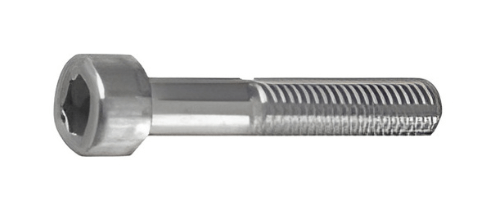
Zinc Plating vs. Zinc Flake Coating
An alternative to zinc plating is zinc flake coating. Flake coating doesn’t involve electroplating; instead, tiny flakes of zinc are applied to the base material. This creates a barrier that strongly prevents corrosion.
This is a great option since it offers high corrosion resistance and no hydrogen embrittlement risk, making it a great choice for high-strength fasteners. The downside is that it costs more than zinc plating.
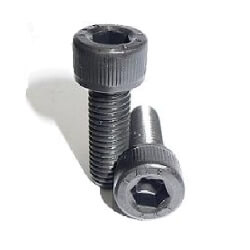
Zing Plating – Side-by-Side Comparison
Here is an overview of the characteristics, strengths and weaknesses of each zing plating option.
| Finish | Chemistry | RoHS | Corrosion Resistance | Strengths | Weaknesses |
| Zinc trivalent (blue/clear) | Cr³⁺ | Yes | Medium | Cost-effective, widely available, RoHS compliant, predictable torque behavior | Lower corrosion resistance than hexavalent systems, often requires sealers for extended life |
| Zinc black hexavalent | Cr⁶⁺ | No | High | Excellent corrosion resistance, deep uniform black color, strong self-healing behavior | Non-RoHS, toxic chemistry, declining availability, regulatory restrictions |
| Zinc black trivalent | Cr³⁺ | Yes | Med-High | RoHS compliant, safer chemistry, acceptable black appearance, compatible with sealers | Slightly reduced corrosion resistance vs hexavalent, color consistency can vary, higher cost |
| Zinc flake coating | Zinc flakes in binder | Yes | Very High | Outstanding corrosion resistance, no hydrogen embrittlement risk, ideal for high-strength fasteners | Higher cost, thicker coating, limited color options, more industrial appearance |