Power supplies come in both linear and switch-mode designs. Both power supply designs convert AC voltage into DC voltage for use in supplying a wide variety of devices and applications with the required power.
The difference between the two power supplies comes mainly from how they convert AC voltage into DC voltage. This results in specific advantages and disadvantages for each type of power supply when used in various applications.
Advantages and Disadvantages
Some applications in which a switch-mode power supply or switching power supply as they are more commonly known, would be recommended for use over its comparable linear counterpart are in instances where providing a large punch of power in a small frame is preferred.
This is because a switch-mode power supply can be under half the size and as much as 80% lighter than that of a comparative linear power supply while still being able to supply the same amount of desired power. This is a direct result of how the switch mode power supply converts AC voltage to DC voltage compared to linear power supplies.

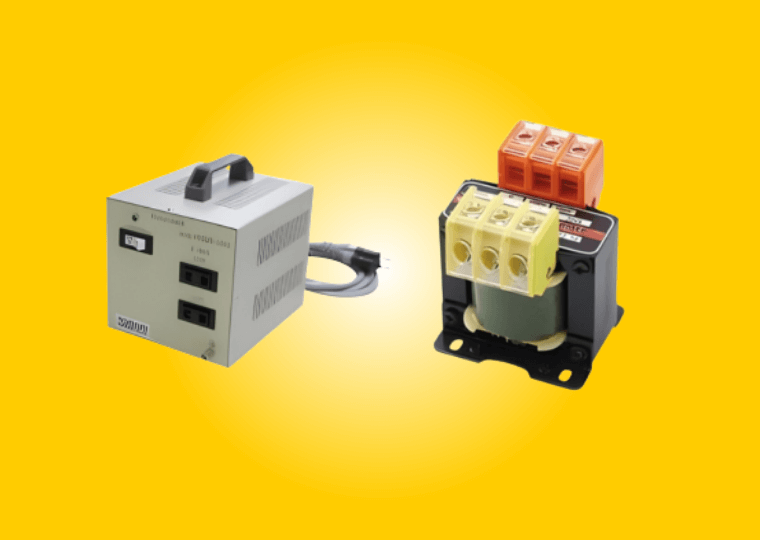
Linear power supplies use bulky transformers to drop high AC voltage to low AC voltage that is then converted to DC voltage through the use of rectifier circuity and filtering processes. Switch-mode power supplies on the other hand create DC voltage from AC power sources through a process known as pulse width modulation. This process generates less heat than using a transformer found in traditional linear power supplies which allows for switch-mode power supplies to provide much more efficient in a smaller package.
On the flip side, switch-mode power supplies produce far more high-frequency noise or electromagnetic interference (EMI) that can interfere with sensitive electronic equipment. This makes switch-mode power supplies inefficient for use in applications where highly sensitive equipment is commonly utilized, like in the medical industry.
In more rugged industrial settings though this high noise interference can be easily countered by strategically placing the power supply within the control box during insulation, away from any sensitive, non-EMI resistant instrumentation or devices. Also, you can make sure to implement the use of materials designed and rated to protect against such high-frequency noise like cabling that uses copper or aluminum foil or braided shielding.

The advantages and disadvantages between linear and switching mode power supplies are solely dependent on application requirements so it is important to consider each when designing a system. To view the selection of power supplies that MISUMI carries, visit our website here.