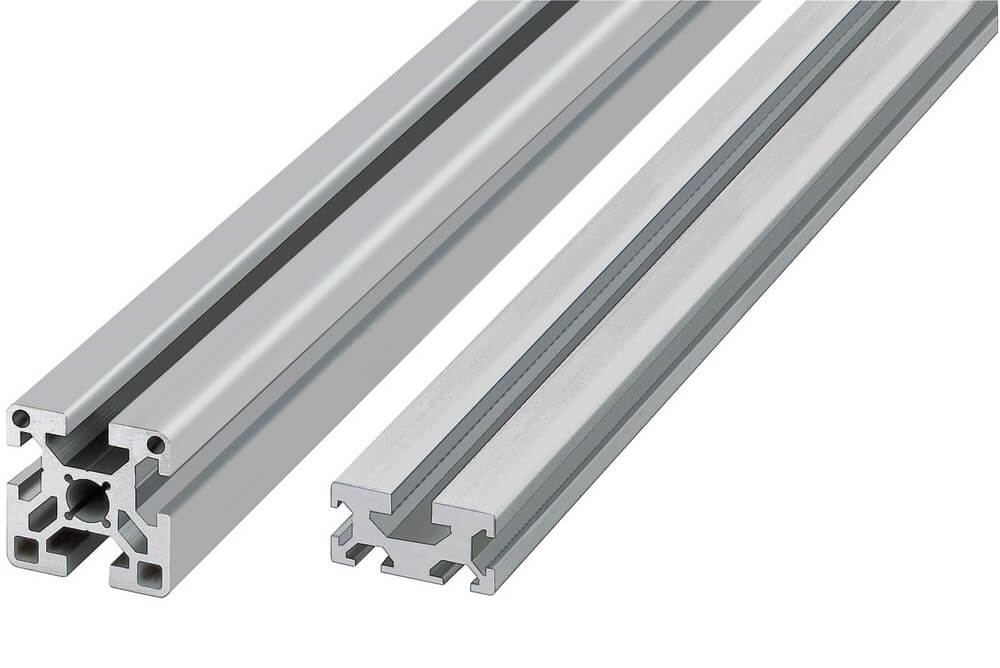
MISUMI offers a wide range of spring plungers made of various materials and coatings.
This guide is a high-level breakdown of what type of spring plungers are on the market and the configurable options available, such as material and shape.
Common Spring Plungers in Factory Automation
A machine’s environment varies wildly in temperature, contamination, vibration, cycle speed, and available installation space. Like all components, finding the right type of spring plunger is essential. Here we highlight some of the most common spring plunger types in factory automation.

1. Spherical Pins
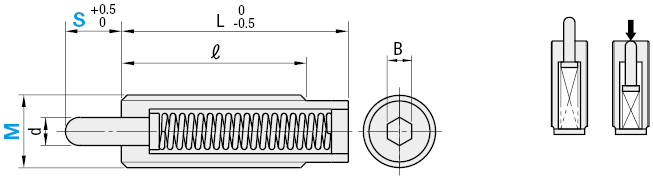
Spherical pins are characterized by their round/spherical pin tips. They provide pinpoint locating support in various directions, depending on the shape of the work piece. Due to the nature of the spherical head, these pins are very adaptable to various work pieces and surfaces when compared to flat pins.

2. Flat Pins
Flat pins are characterized by their flat pin tips. They provide even pressure on the work piece and are more suitable for flat surfaces than spherical pins. Flat pins are much more gentle to the work piece as they transmit force over a larger surface area.

3. Lateral Spring Plungers
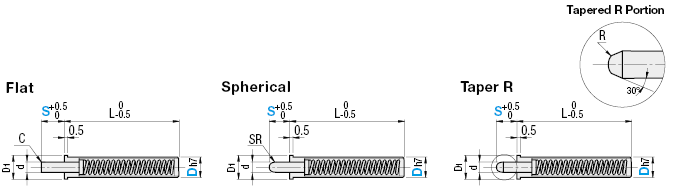
Lateral spring plungers are also commonly used to hold work pieces. They are extremely useful when space is limited and can be used to exert lateral pressure while there is no lateral mounting space.


4. Hexagonal Pins & Hexagonal Slot
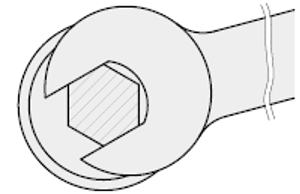
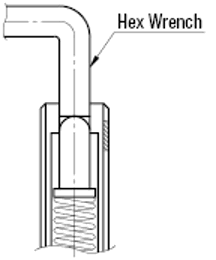
Hexagonal pins are visually very similar to spherical pins, but the body of the pin is hexagonal in shape. This allows for installation without access from the bottom of the pin, using a wrench. Plungers with hexagonal slots are characterized by the slot the pin sits in. While other plungers typically have round slots for their pin heads, these plungers have hexagonal slots to allow for installation from above with the use of a hex key.


Other Plunger Types
There are other plunger types common in factory automation. Here is an overview of some of other types available.
Tapered R plungers are characterized by the rounded taper pin. Its usage is similar to spherical pins but is better suited to correcting misalignment, especially when the work piece has a corresponding slot for the pin.
Flanged plungers are characterized by their large flat flange at the base of the pin. These plungers are ideal for applications requiring various height adjustments as the flanges can be used as mini platforms for the work pieces.

Tapped pins are characterized by their tapped pin heads. These can be used in combination with a customized head shape to be screwed on to the pin head. Tapped pins are used in specialized applications where the customized pin head shapes are required and can be quickly swapped out for various applications.

Material Guide for Spring Plungers
There are three common material types for spring plunger: plastic, steel, and stainless steel.
- Plastic are inexpensive and are very resistant to corrosion.
- Steel is used for applications with larger forces and harsher physical usage with varying levels of corrosion resistance, depending on coating or surface treatments.
- Stainless steel strikes a strong combination of good corrosion resistance while keeping most of the regular steel’s toughness.
All these materials can be configured in various spring plunger shapes.
Get Configurable Spring Plungers at MISUMI
MISUMI offers a wide range of spring plungers in different sizes and configurations to meet you needs. Configuration options include material, dimensions, surface treatments, and more. Find the right spring plunger by clicking here.