

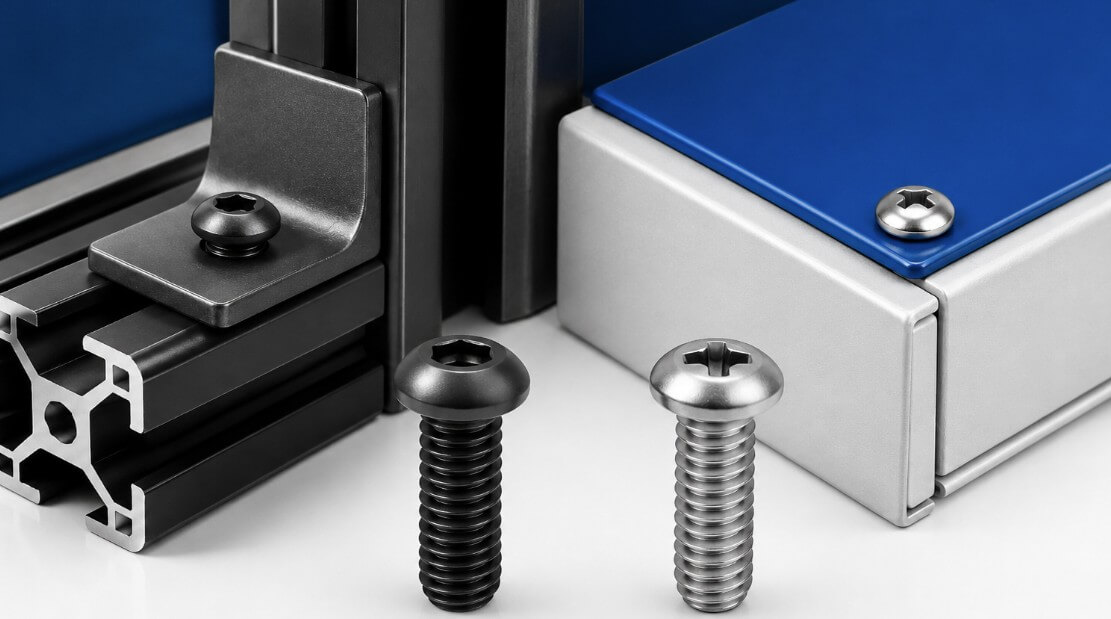
Ever wonder what the difference is between a button head and a pan head screw? Well, you’re not alone. While they look similar, and both are used when the head of the fastener sits above the surface of the material, they aren’t always interchangeable. A button head screw has a lower, rounded profile that works well when the fastener will remain visible or when nearby parts need extra clearance (think access panel to a machine frame). A pan head screw has a more traditional raised shape and is often used for covers, housings, sheet metal panels, and other general fastening applications.
Choosing between the two is usually less about which screw is “better” and more about matching the head style to the clearance, material, tooling, and appearance requirements of the assembly. Let’s take a deeper dive in below.
What Is a Button Head Screw?
A button head screw has a broad, rounded head that sits above the surface of the assembled part. Its shape is sometimes described as low-domed or button-like, which is where the name comes from. Unlike flat head screws, which are designed to sit flush in a countersunk hole, a button head screw remains exposed and provides a smooth finished profile.
In many industrial and mechanical applications, this style is also referred to as a button head socket cap screw, button head cap screw, or button head bolt, depending on the thread size, application, and how the fastener is being used. The socket-style version typically has an internal hex drive, allowing it to be tightened with a hex key or socket bit rather than a traditional screwdriver.
Browse Button Head Cap ScrewsWhat Is a Pan Head Screw?
A pan head screw, like a button head, has a rounded top and a relatively flat underside that seats against the surface of the part being fastened. The head is taller and more pronounced than a button head, giving it a larger visible profile once installed. Because it does not require a countersunk hole, it is commonly used where the screw head can remain exposed on the surface of the assembly.
Pan head screws can have several drive types, including Phillips, slotted, Torx, hex, and combination drives. This makes them common in sheet metal work, electrical enclosures, plastic housings, equipment covers, brackets, and other light to medium-duty fastening applications. The flat underside of the head helps spread clamping force over the contact area, which can be useful when fastening thinner materials.
Browse Pan Head ScrewsKey Differences
When To Use Each
Button Head
- Best when the screw head will remain visible.
- Useful when a smoother, lower-profile head is preferred.
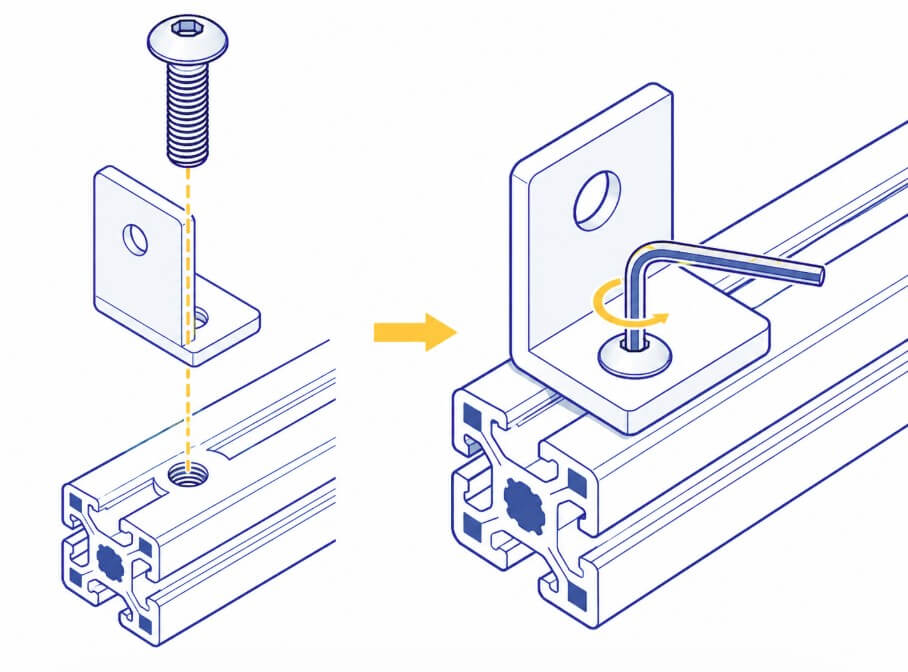
- Good for machine guards, brackets, frame assemblies, panels, and visible equipment components.
- Works well where a taller head could interfere with nearby parts or maintenance access.
- Common when the assembly uses hex keys or socket tooling.
- Example: fastening a bracket to an aluminum extrusion frame.
- The helical thread still needs proper engagement with the mating hole, nut, insert, or T-slot component.
Pan Head
- Best for general-purpose fastening.
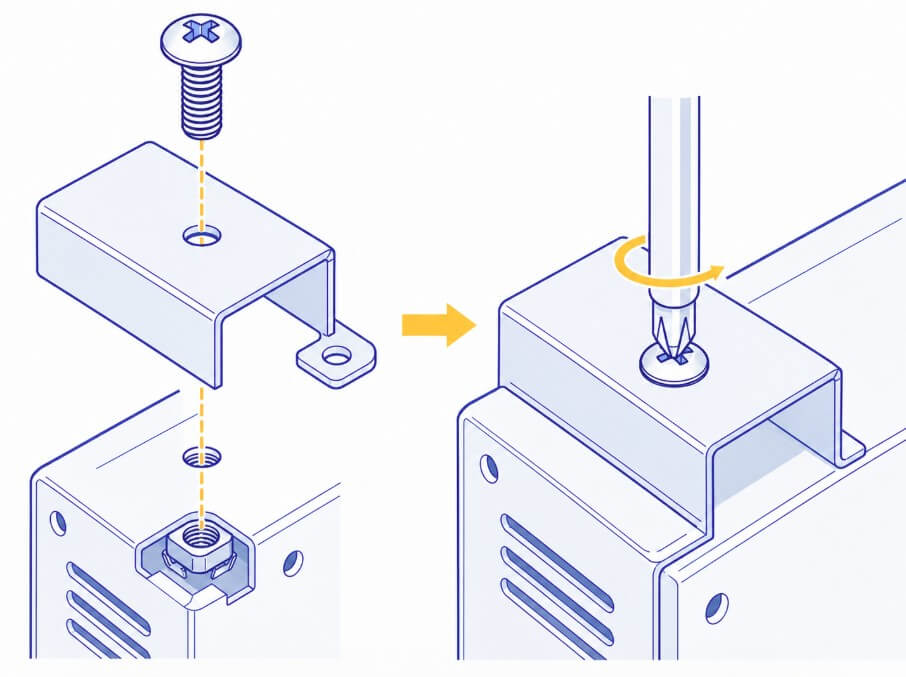
- Useful for sheet metal, plastic housings, electrical enclosures, covers, and access panels.
- Good when a flat underside is needed to seat firmly against the material.
- Works well when quick installation and common driver tools are preferred.
- Better when a countersunk hole or low-profile head is not needed.
- Example: attaching a removable sheet metal cover to a control box.
- The helical thread should match the mating material, whether it threads into a tapped hole, nut, insert, or pilot hole.
Parting Thoughts
MISUMI USA carries a wide range of fasteners, including screws, bolts, nuts, threaded inserts, and more. If you have any questions about fastening concerns for your next project or fix, please feel free to contact our product experts, and engineers. For more insights about button head and pan head screws, and other manufacturing related articles be sure to check out our blog, and articles like Industrial Fasteners Selection Guide, Carriage Bolts vs. Hex Bolts, and more.
Disclaimer:
The content on this webpage is for informational purposes only. MISUMI makes no guarantees, expressed or implied, regarding the accuracy, completeness, or validity of the information. Performance parameters, tolerances, designs, materials, or processes should not be assumed to reflect third-party suppliers’ or manufacturers’ deliverables within MISUMI’s network. Buyers are responsible for specifying their part requirements.


